About Don-Austyn Moss - Discover the exceptional talent of Don-Austyn Moss, a young singer from St. Vincent and the Grenadines. Explore his music journey here. Get information and resources related to music distribution, music syndication, music promotion, music monetization & other general music industry tips.
🎵 YouTube Music’s Visual Storytelling Revolution in 2026 — And How Gospel Artists Are Leading the Way
Meta Description
YouTube Music is transforming how artists share their message through cinematic visuals, mood loops, curated themes, and story‑driven mini‑films. Discover how gospel artists like CeCe Winans, VaShawn Mitchell, Kirk Franklin, and Hillsong UNITED have led these trends to elevate worship experiences.
🌟 Introduction
YouTube Music is undergoing a major transformation in 2026 — one that blends music, film, and digital storytelling into a single immersive experience. While mainstream artists like Tate McRae and Taylor Swift are shaping the platform’s visual direction, gospel artists have quietly led the innovations in this space.
From cinematic worship films to peaceful visual loops, gospel creators are using YouTube Music’s visual tools to deepen spiritual impact, strengthen emotional connection, and create family‑friendly worship experiences that resonate across generations.
One gospel artist who fits every single trend is VaShawn Mitchell — known for his cinematic worship visuals, curated aesthetics, and narrative‑driven performance moments.
This guide breaks down the four major visual storytelling trends on YouTube Music — and shows how gospel artists, including VaShawn Mitchell, are mastering each one.
🎬 1. Cinematic Visual Albums: Worship as Film
Cinematic visual albums are full‑length music projects where every track is paired with a cohesive visual narrative. Instead of releasing separate music videos, artists create a continuous film‑like experience that unfolds across the entire album.
Gospel artists excel here — and VaShawn Mitchell is one of the strongest examples.
A. VaShawn Mitchell – Secret Place (Live in South Africa) Visual Album
Why it fits:
Recorded in South Africa with rich cultural visuals
Wide‑angle crowd shots and cinematic worship energy
Feels like a visual worship journey, not just a concert
Family‑friendly and spiritually immersive
This is one of the most cinematic gospel visual albums of the last decade.
B. VaShawn Mitchell – Triumphant (Live Visual Experience)
Why it fits:
Dramatic lighting and sweeping camera angles
Songs like “Nobody Greater” and “His Blood Still Works” feel like worship films
Strong visual identity and emotional storytelling
C. Hillsong UNITED – Of Dirt and Grace: Live From the Land
Why it fits:
Filmed entirely in Israel
Each song paired with a biblical location
One of the most cinematic worship projects ever created
E. Tasha Cobbs Leonard – Royalty: Live at the Ryman
Short‑form visual loops are 3–10 second repeating clips that enhance the listening experience. Gospel creators use loops exceptionally well — and VaShawn Mitchell’s team uses them strategically.
A. VaShawn Mitchell – “Nobody Greater” Lyric Visuals
Why it fits:
Soft atmospheric loops behind the lyrics
Clean, family‑friendly, and mood‑enhancing
B. VaShawn Mitchell – “Turning Around for Me” Live Loop Moments
Why it fits:
Repeating crowd‑worship loops
Creates a soaking‑style worship atmosphere
C. DappyTKeys – Instrumental Worship Loops
Why it fits:
Peaceful nature loops
Perfect for prayer and meditation
D. Scripture Meditation Channels (Abide, Daily Bible Meditation)
Why it fits:
Repeating visuals behind spoken scripture
Helps listeners stay focused and calm
E. Hillsong Young & Free – Bright Loop Visuals
Why it fits:
Modern, energetic loops
Perfect for youth worship
🎨 3. Artist‑Curated Visual Themes: Aesthetic Identity for Each Track
Artist‑curated visual themes give each song its own aesthetic identity. VaShawn Mitchell is known for strong visual branding across his albums.
A. VaShawn Mitchell – Elements Visual Theme
Why it fits:
Modern, minimalistic, atmospheric visuals
Uses color and texture to reflect the “elements” concept
Strong, cohesive branding
B. VaShawn Mitchell – Triumphant Visual Theme
Why it fits:
Gold, royal tones
Consistent across lyric videos and live visuals
Each track has a distinct but unified aesthetic
C. Maverick City Music – Track‑Specific Lyric Themes
Why it fits:
Each song has its own color palette and typography
D. CeCe Winans – Believe For It Lyric Visuals
Why it fits:
Elegant, soft visuals
Matches the reverent tone of each track
E. Sinach – Global Worship Visual Themes
Why it fits:
Bright, uplifting visuals
Matches her global worship style
🎥 4. Story‑Driven Mini‑Films: Gospel Music as Short Cinema
VaShawn Mitchell frequently uses short narrative teasers, spoken intros, and story‑driven worship moments that feel like mini‑films.
A. VaShawn Mitchell – “Turning Around for Me” Testimony Clips
Why it fits:
Includes spoken testimonies and narrative moments
Sets emotional tone before the song begins
B. VaShawn Mitchell – “Nobody Greater” Story‑Driven Intro
Why it fits:
Opens with a spoken narrative
Builds anticipation like a mini‑film
C. Jonathan McReynolds – “Cycles” & “Make Room” Teasers
Why it fits:
Emotional narrative scenes
Clean, family‑friendly storytelling
D. Elevation Worship – Testimony Clips
Why it fits:
Mini‑films featuring real stories
Builds emotional anticipation
E. DOE – Emotional Story‑Driven Visuals
Why it fits:
Soft, cinematic storytelling
Sets emotional tone before the song begins
🏁 Conclusion
YouTube Music’s shift toward visual storytelling is reshaping how artists share their message — and gospel creators are uniquely positioned to shine. VaShawn Mitchell, in particular, stands out as an artist who naturally embodies all four visual trends.
From cinematic worship films to peaceful loops, curated themes, and story‑driven teasers, these tools help artists deepen spiritual impact and reach wider audiences.
As 2026 unfolds, visuals will become just as important as the music itself — especially for gospel artists who want to inspire, uplift, and connect with families around the world.
Mastering the Music Looper: A Complete Guide for Musicians
Meta Description: Learn how to use a music looper to layer sounds, boost creativity, and elevate your live performances.
Introduction: Why Loopers Are Game-Changers
Imagine playing a simple guitar riff, hitting a pedal, and suddenly hearing it repeat while you add a bassline, percussion, and vocals—all live. That’s the beauty of a music looper. For many musicians, loopers solve the problem of playing solo while sounding like a full band. Yet, beginners often feel intimidated: Which looper should I buy? How do I avoid messy loops? This guide will break it down step by step, helping you move from confusion to confidence.
Music Looper Pain Points & Concerns
Timing struggles: Many beginners worry about hitting the pedal at the right moment.
Gear overload: With so many looper pedals and stations, choosing the right one feels overwhelming.
Performance anxiety: Fear of making mistakes live and not knowing how to fix them.
Music Looper Goals & Aspirations
Creative freedom: Build entire songs solo.
Professional sound: Achieve seamless, polished loops.
Confidence on stage: Use looping as a performance enhancer, not a stressor.
Music Looper Desired Transformation
By the end of this post, you’ll know how to pick the right looper, master timing, and use looping to elevate your music. You’ll go from hesitant beginner to confident performer.
What Is a Music Looper?
A music looper records a short phrase of audio and plays it back repeatedly. You can then overdub new layers—like guitar chords, vocals, or percussion—creating a rich, multi-layered track. Here's what you need to know:
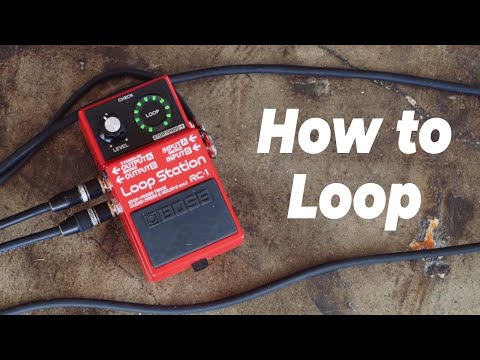
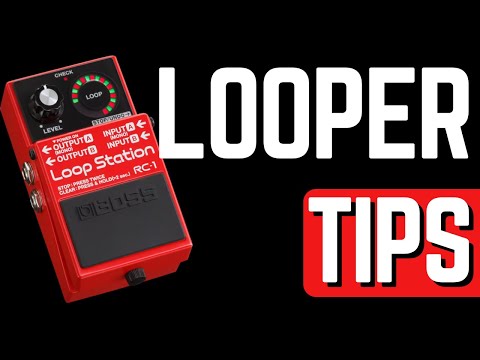
Loop pedals: Compact devices for guitarists and vocalists.
Loop stations: Larger units with multiple tracks, ideal for beatboxers and producers.
Software loopers: Found in DAWs like Ableton Live, perfect for studio production.
Music Looper Relatable Example
Artists like Ed Sheeran and KT Tunstall famously use loopers in live shows, layering guitar, vocals, and percussion to sound like a full band. Their performances show how loopers can transform solo acts into unforgettable experiences.
Practical Advice & Actionable Steps Related To Music Loopers
Step 1: Choosing Your Looper
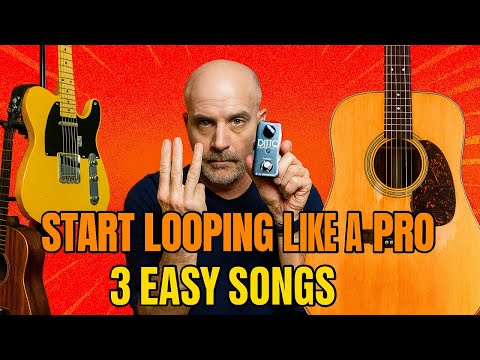
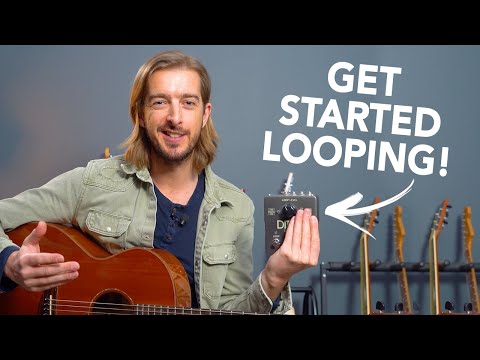
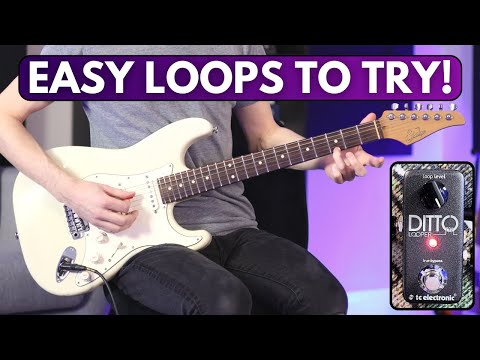
Beginners: Start with simple pedals like the TC Electronic Ditto.
Intermediate: Try multi-track loopers like the Boss RC-505mkII.
Producers: Explore software loopers in DAWs for advanced layering.
Step 2: Mastering Timing
Practice with a metronome.
Start with short, simple loops (1–2 bars).
Use undo/redo functions to fix mistakes
.
Step 3: Building Layers
Begin with rhythm (guitar strum, beatbox, or percussion).
Hit the Right Note: Your Ultimate Guide to Choosing the Perfect Wedding Music Band
Meta Description:
Discover everything you need to know about hiring a wedding music band! From finding the perfect genre to budgeting and contracts, this comprehensive guide helps you choose a band that will make your special day unforgettable.
Introduction: Let the Music Play!
Your wedding day is a symphony of love, laughter, and unforgettable moments. And what truly sets the rhythm for this incredible celebration? The music! While a DJ can certainly get the party started, there's something undeniably magical, deeply personal, and incredibly energetic about a live wedding band.
Imagine the feeling: a charismatic lead singer captivating your guests, a vibrant brass section adding a touch of grandeur, and a rhythm section that makes everyone — from your youngest cousin to your great-aunt — want to hit the dance floor.
If you're dreaming of a wedding soundtrack that's as unique and vibrant as your love story, then a live band might just be the perfect choice for you. But where do you even begin? Don't worry, we're here to guide you through every note, beat, and harmony of selecting the ultimate wedding music band for your big day.
Why a Live Band? The Unmatched Magic and Energy
You've envisioned this day for a long time, and you want it to be spectacular. While DJs offer variety and seamless transitions, a live band brings an unparalleled energy and interactive experience that can elevate your wedding from a great party to an epic celebration.
The Energy and Atmosphere: A live band isn't just playing music; they're performing. They read the room, interact with guests, and respond to the crowd's energy, creating an electric atmosphere that's truly contagious. This dynamic interaction fosters a sense of shared joy and spontaneity that recorded music simply can't replicate.
Personalization and Customization: Many bands are willing to learn specific songs for your first dance, father-daughter dance, or other special moments. This level of personalization makes your soundtrack uniquely yours. They can often adapt their setlist on the fly based on guest reactions, ensuring the dance floor stays packed.
Aesthetic Appeal: Let's be honest, a well-dressed band with professional equipment adds a sophisticated and celebratory visual element to your reception. They become a focal point, drawing guests into the experience.
Finding Your Harmony: What Kind of Band Suits Your Style?
Before you even start searching, take a moment to consider the overall vibe and theme of your wedding. Are you aiming for a sophisticated black-tie affair, a relaxed bohemian garden party, or a high-energy dance-off? Your chosen band should complement this vision perfectly.
Popular Wedding Band Genres:
Top 40/Pop Bands: These bands specialize in current hits and popular classics, guaranteed to get everyone dancing. They often have broad appeal and a wide repertoire.
Soul/Funk/Motown Bands: If you love groovy basslines, powerful vocals, and timeless dance anthems, a Motown or funk band will bring undeniable soul to your celebration.
Jazz Ensembles: Perfect for a sophisticated cocktail hour or dinner reception, a jazz band creates an elegant and refined ambiance.
Big Bands/Swing Orchestras: For a grand, vintage feel, a big band can transport your guests back to the golden age of swing.
Rock/Indie Bands: If you and your partner are rock enthusiasts, a band specializing in these genres can bring a raw, authentic energy to your reception.
Variety Bands: Many wedding bands are "variety bands," meaning they can play a wide range of genres, from classic rock to contemporary pop, ensuring there's something for everyone.
Christian wedding music bands are available for hire and are a popular choice for couples who want to incorporate their faith into their special day. These bands often specialize in a variety of genres, from contemporary Christian music and praise and worship to gospel, rock, and even hymns. They provide a live, faith-based performance that can create a deeply meaningful and celebratory atmosphere for the ceremony and reception. Many online entertainment booking platforms feature Christian bands and artists, making it simple to find and hire a group that aligns with your specific musical tastes and spiritual preferences.
Goal: Your goal here is to align your musical taste and wedding vision with the band's specialty. Don't just pick a band because they're popular; pick one that resonates with you.
The Search Begins: Where and How to Find Your Dream Wedding Music Band
Now that you have a clearer idea of what you're looking for, it's time to start the hunt!
Online Resources and Directories
Wedding Planning Websites: Sites like The Knot and WeddingWire feature extensive vendor directories where you can filter by location, genre, and read reviews.
Band Agencies/Booking Services: Companies specializing in live event entertainment often have a roster of vetted bands, simplifying your search. Examples include Hank Lane Music and Entertainment or Élan Artists in the US.
Social Media: Instagram and Facebook can be great for discovering local talent. Search hashtags like #[YourCity]WeddingBand or #LiveWeddingMusic.
YouTube: Many bands have performance videos online, allowing you to see and hear them in action before reaching out.
Word-of-Mouth and Local Recommendations
Ask Recently Married Friends: They've been through it and can offer invaluable insights and recommendations (or warnings!).
Your Wedding Planner/Venue Coordinator: These professionals often have a list of preferred vendors they've worked with and trust. They can be excellent resources.
Attend Showcases: Some bands and agencies hold live showcases specifically for engaged couples. This is an incredible opportunity to experience their performance firsthand.
Concern: You might worry about finding a reputable band.
Transformation: By leveraging these trusted sources, you move from feeling overwhelmed to confidently curating a shortlist of highly recommended professionals.
The Interview Process: Questions to Ask Before You Book
Once you have a few bands in mind, it's time to reach out and start asking the right questions. Think of this as an interview; you're hiring them for one of the most important days of your life!
Here's what you should consider:
Availability and Pricing: Are they available on your wedding date? What are their package options and what's included (e.g., number of musicians, hours of performance, sound equipment, lighting)?
Repertoire and Song List: Ask for their complete song list. Can they learn specific songs for you? How many?
Experience: How many weddings have they performed? Can they provide references or testimonials?
Breaks and Intermissions: How many breaks do they take, and for how long? What kind of music will be played during breaks (e.g., pre-recorded music, a small instrumental ensemble)?
Equipment and Setup: Do they provide their own sound system, microphones, and basic lighting? What are their power requirements? How much space do they need?
Attire: What do they typically wear? Does it align with your wedding's formality?
Emcee Services: Do they offer emcee services for announcements (e.g., introductions, first dance, cake cutting)?
Overtime Policy: What are their rates for extending the performance if the party is still going strong?
Insurance: Do they have liability insurance? Many venues require this.
Contract Details: Will they provide a detailed contract outlining all services, costs, and contingencies?
Budgeting for Brilliance: What to Expect Financially
Live wedding bands are an investment, and their cost can vary significantly based on several factors:
Number of Musicians: More musicians generally mean a higher price.
Band's Popularity/Demand: Highly sought-after bands will command higher fees.
Duration of Performance: Longer performance times will increase the cost.
Travel Expenses: If the band is traveling a significant distance, you may need to cover travel and accommodation.
Equipment and Production: Some bands offer enhanced lighting packages or additional sound engineers, which can add to the cost.
Peak Season vs. Off-Season: Prices can be higher during popular wedding months.
Goal: To understand that while a band is an investment, the value they add to your wedding experience is often priceless.
Transformation: You move from fearing the cost to understanding the value and making an informed budgeting decision.
The Contract: Your Peace of Mind
Never, ever book a wedding band without a comprehensive written contract. This document protects both you and the band, outlining all the agreements made. Key elements to look for in a contract include:
Dates, Times, and Locations: Clearly state the wedding date, start and end times for performance, and the venue address.
Services Provided: A detailed list of what the band will do, including the number of musicians, specific instruments, and any MC services.
Payment Schedule: Breakdown of deposit, remaining balance, and due dates.
Cancellation Policy: What happens if either party needs to cancel?
Force Majeure Clause: Protects both parties in case of unforeseen circumstances (e.g., natural disasters, pandemics).
Rider Requirements: Any specific requests the band has (e.g., meals, beverages, secure changing room).
Logistical Harmony: Working with Your Band and Venue
Effective communication between you, your band, and your venue is paramount for a smooth wedding day.
Venue Requirements: Ensure your venue can accommodate a live band. This includes space for the stage, power outlets, and sound restrictions. Some venues have decibel limits.
Load-in and Setup Times: Coordinate with the venue and band on when they can arrive to set up their equipment.
Meal Requirements: It's customary to offer meals to the band members, especially if they are performing for several hours. Discuss this with your caterer and band leader.
Song List Finalization: Provide your band with any special song requests and a "do not play" list well in advance of the wedding day.
Timeline: Share your wedding day timeline with the band leader so they know when key moments (first dance, toasts, cake cutting) will occur.
Concern: Coordinating multiple vendors can feel overwhelming.
Transformation: With proactive communication and clear planning, you can delegate confidently and enjoy a seamlessly orchestrated celebration.
The Grand Finale: Trusting Your Chosen Performers
Once you've done your research, asked your questions, and signed the contract, it's time to trust your chosen band! On your wedding day, let them do what they do best – create an incredible atmosphere. A professional wedding band wants your day to be perfect as much as you do.
Relatable Example: "Our band was incredible! They not only played every song we loved, but they had such an amazing connection with our guests. My aunt, who never dances, was on the floor for 'September'! It felt like a private concert just for us." (Personal anecdote from a satisfied couple)
Choosing a wedding music band is more than just booking entertainment; it's about curating an experience, setting the mood, and creating lasting memories. With careful planning and clear communication, you'll find the perfect ensemble to play the soundtrack to your happily ever after.
FAQ: Your Quick Questions Answered
Q1: How far in advance should I book a wedding band?
A1: Generally, 9-12 months in advance is recommended, especially if you're getting married during peak season (spring/fall). Popular bands book up quickly!
Q2: What's the difference between a wedding band and a DJ?
A2: A wedding band provides live music and performance, offering a unique energy and interaction. A DJ plays recorded music, offering a wider variety of songs and seamless transitions between tracks. Both have their pros and cons; it depends on your preference and budget.
Q3: Can a band play specific songs that aren't on their list?
A3: Many bands are willing to learn a few special songs for your wedding (e.g., your first dance). Discuss this with them early in the booking process, as there might be an additional fee or a limit to the number of new songs they can learn.
Q4: Should I feed the band?
A4: Yes, it is customary and professional courtesy to provide a meal for your band members, especially if they are performing for several hours during your reception.
Q5: What if the band cancels last minute?
A5: A comprehensive contract should include a cancellation clause outlining remedies or alternative arrangements if the band has to cancel due to unforeseen circumstances. Professional agencies often have backup bands available.